TEP Approach
Grounded in Cutting-Edge Research
Transformative-Emancipatory Pedagogy (TEP)® is a framework that bridges rigorous research with real-world practices to address complex challenges in education..TEP was developed through more than 14 years of extensive interdisciplinary research in social and educational sciences, tested in diverse contexts worldwide. Today, it is continuously refined through collaboration with educators, scholars, and communities.
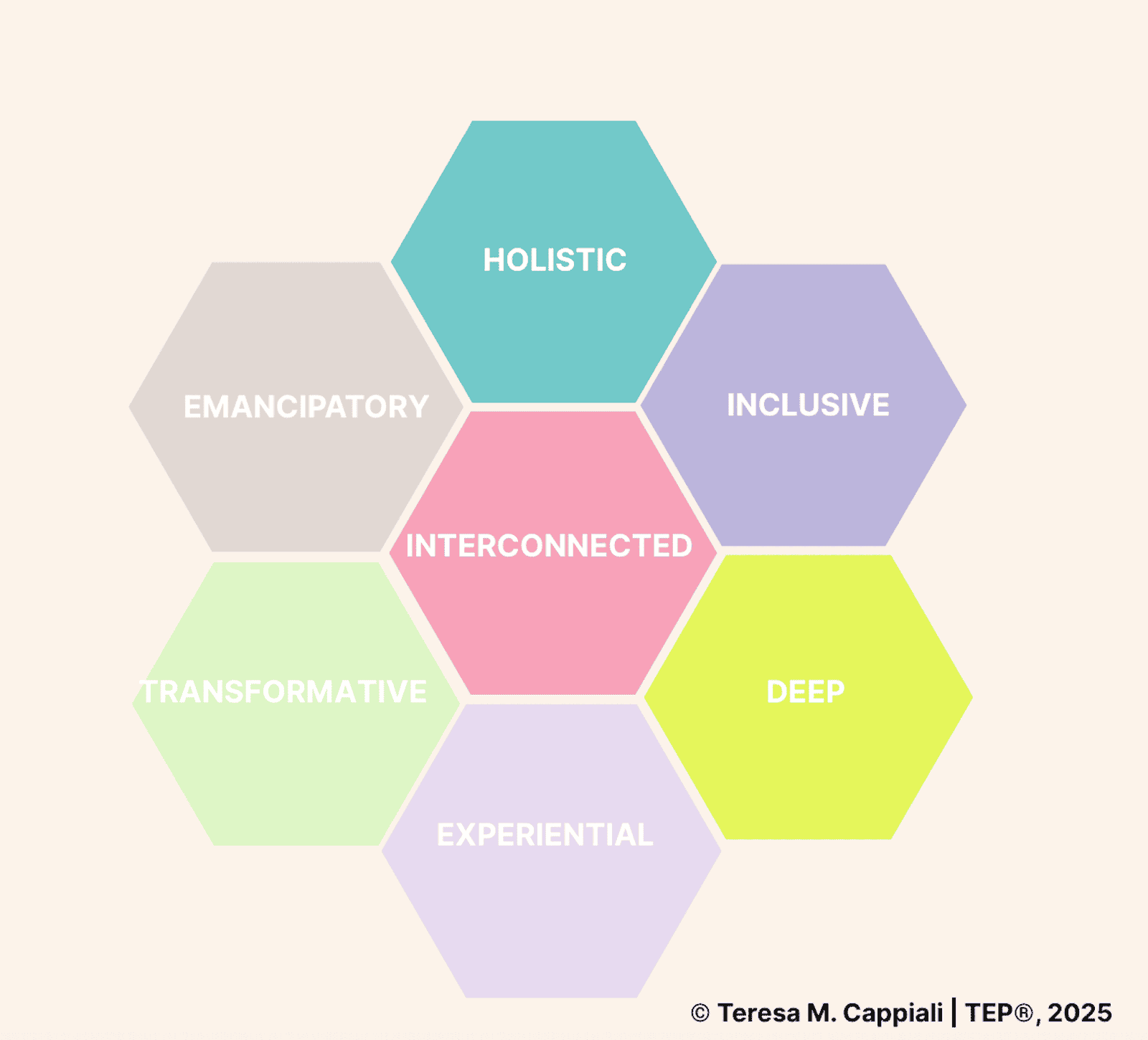
The 7 Dimensions of TEP
The philosophy of TEP is grounded in a holistic and interconnected understanding of learning. It conceives learning as a dynamic process shaped by seven core dimensions that support individual development, relational responsibility, and social transformation. These dimensions form a shared horizon for reimagining education for our time.
The Pedagogical Architecture
TEP operates through a coherent pedagogical architecture, composed of four interdependent elements.
Prepared Environment
Learning spaces are intentionally designed to support presence, safety, and engagement, shaping how learners relate to knowledge, others, and themselves.
Meaningful Content
Content is research-based and socially grounded, connecting individual experiences to broader historical, structural, and political contexts.
Interconnected Activities
Learning unfolds through dialogical, embodied, and co-creative practices that integrate thinking, feeling, and action.
Ethical Practices
Throughout the process, continuous attention is given to care, power, pacing, and responsibility toward learners and communities.
What Makes TEP Different in Practice
TEP is best understood as a framework bringing coherence, responsibility, and intentionality to educational practice in complex and diverse settings. Through critical dialogue, learning circles, puzzle games, role-plays, simulations, and collaborative projects, education turns into an immersive journey that builds critical thinking, relational learning, empathy, and action. These tools are not add-ons or “extras”; they are at the very core of how TEP works.
WORKSHOPS WITH UNIVERSITIES AND HIGH SCHOOLS (2025–2026)
Below are a few examples of how TEP comes to life in workshops. The full methodology is detailed in the book and developed further through training.
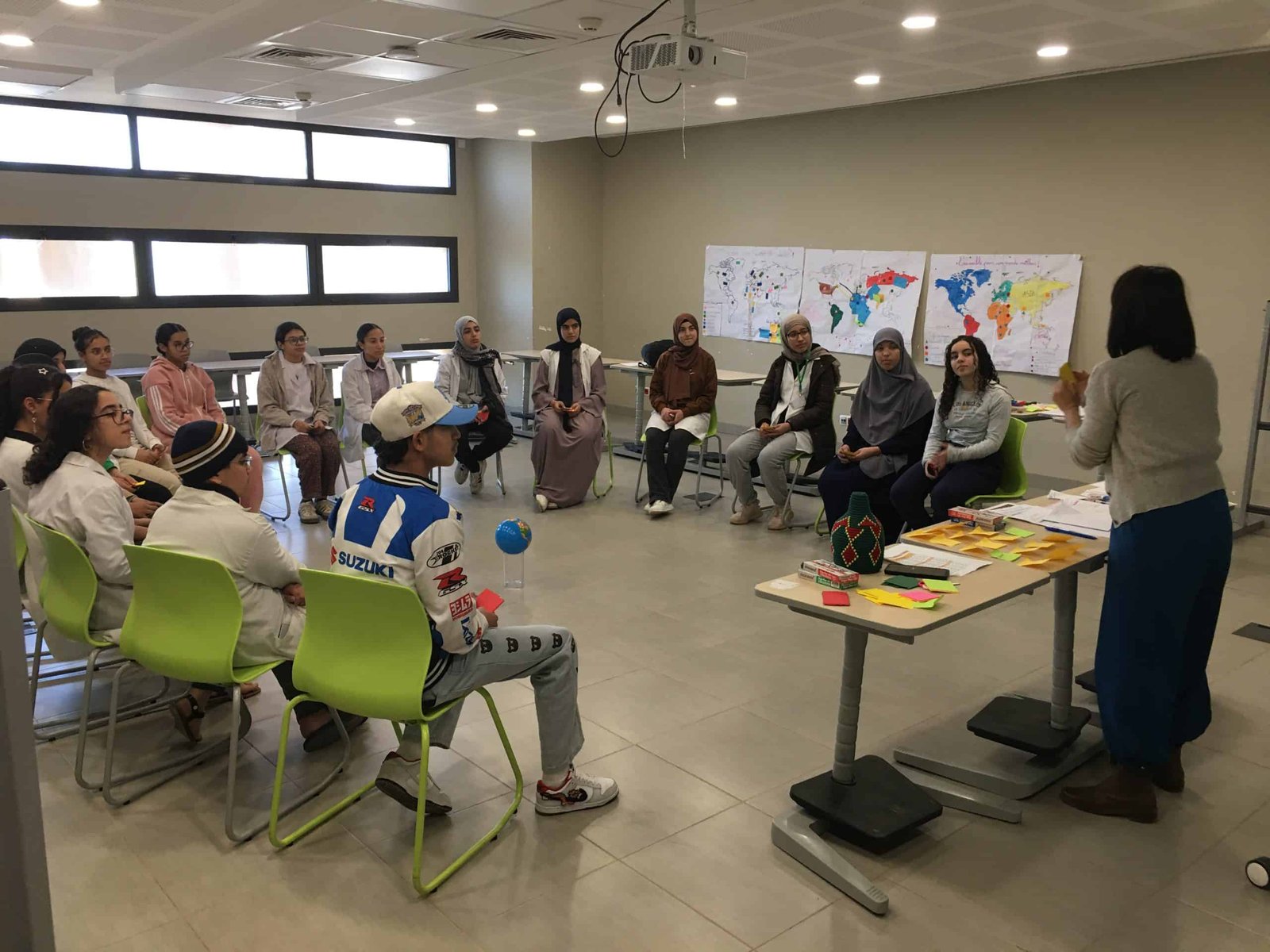
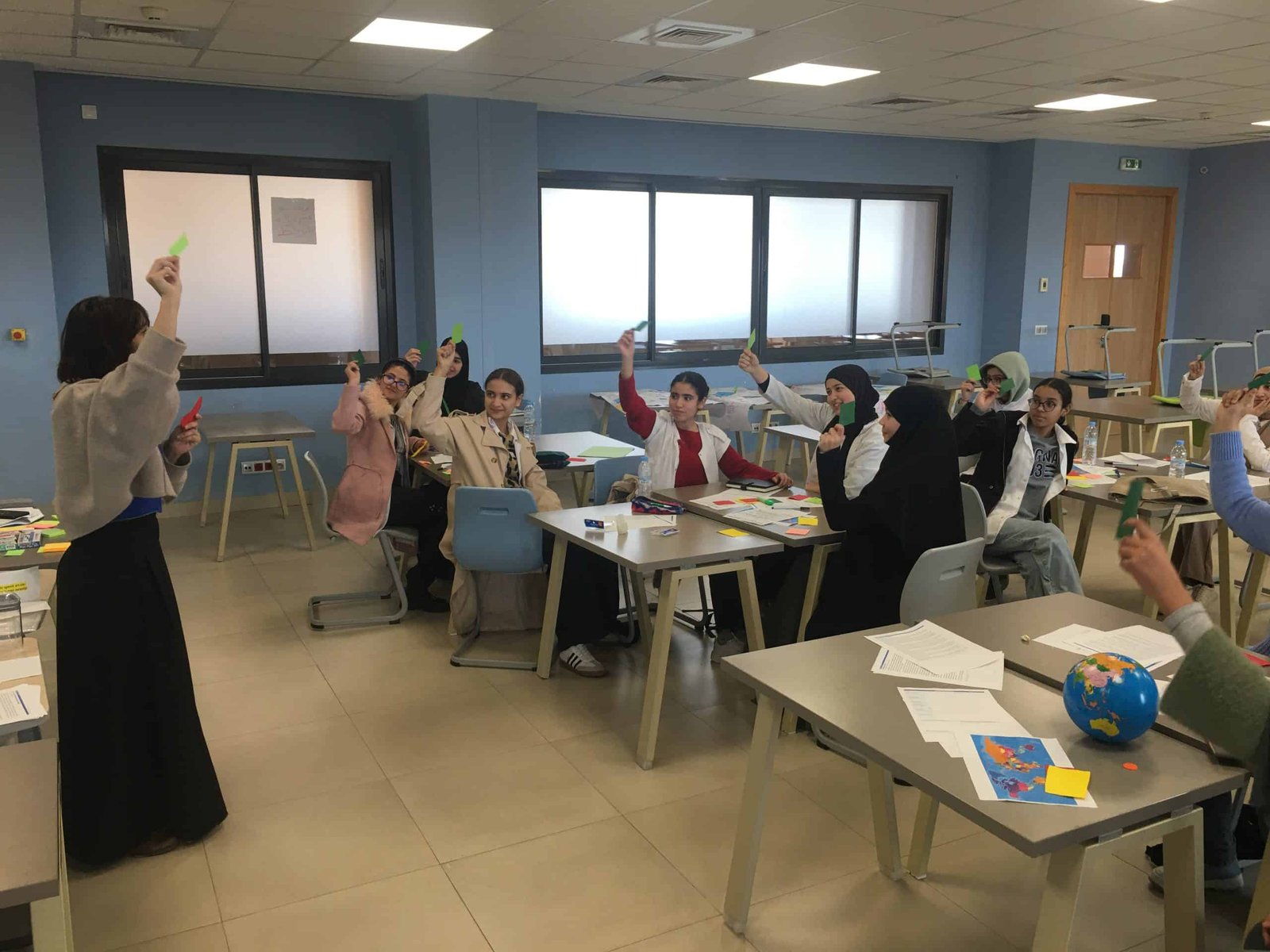
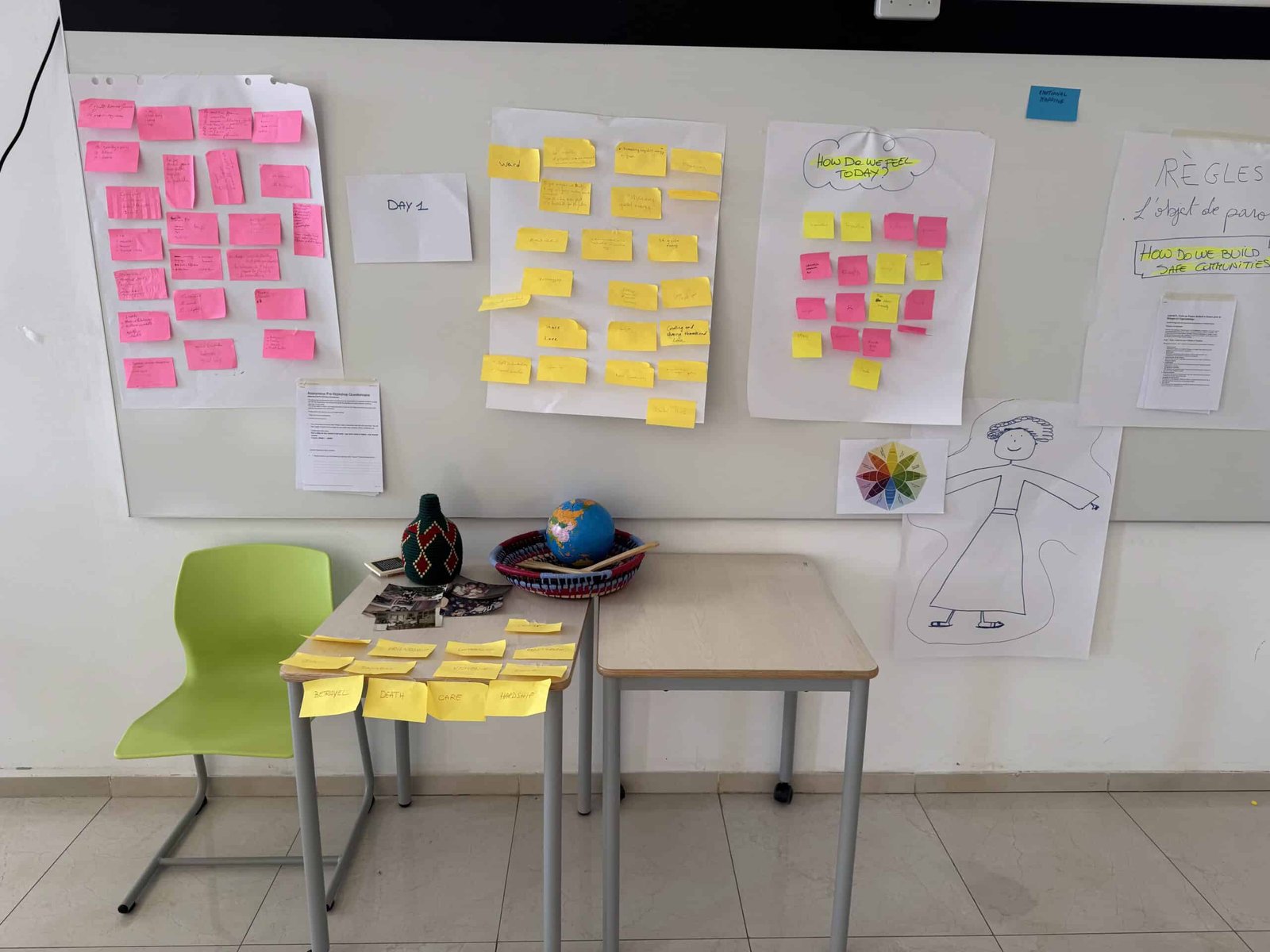
REFLECTIVE TEACHING AND PREPARED ENVIRONMENT
In TEP, reflective teaching and careful preparation create environments where learners and facilitators can engage with complexity. Materials, space, and reflective check-ins are intentionally designed, while the educator remains present as meaning, uncertainty, and tension unfold.
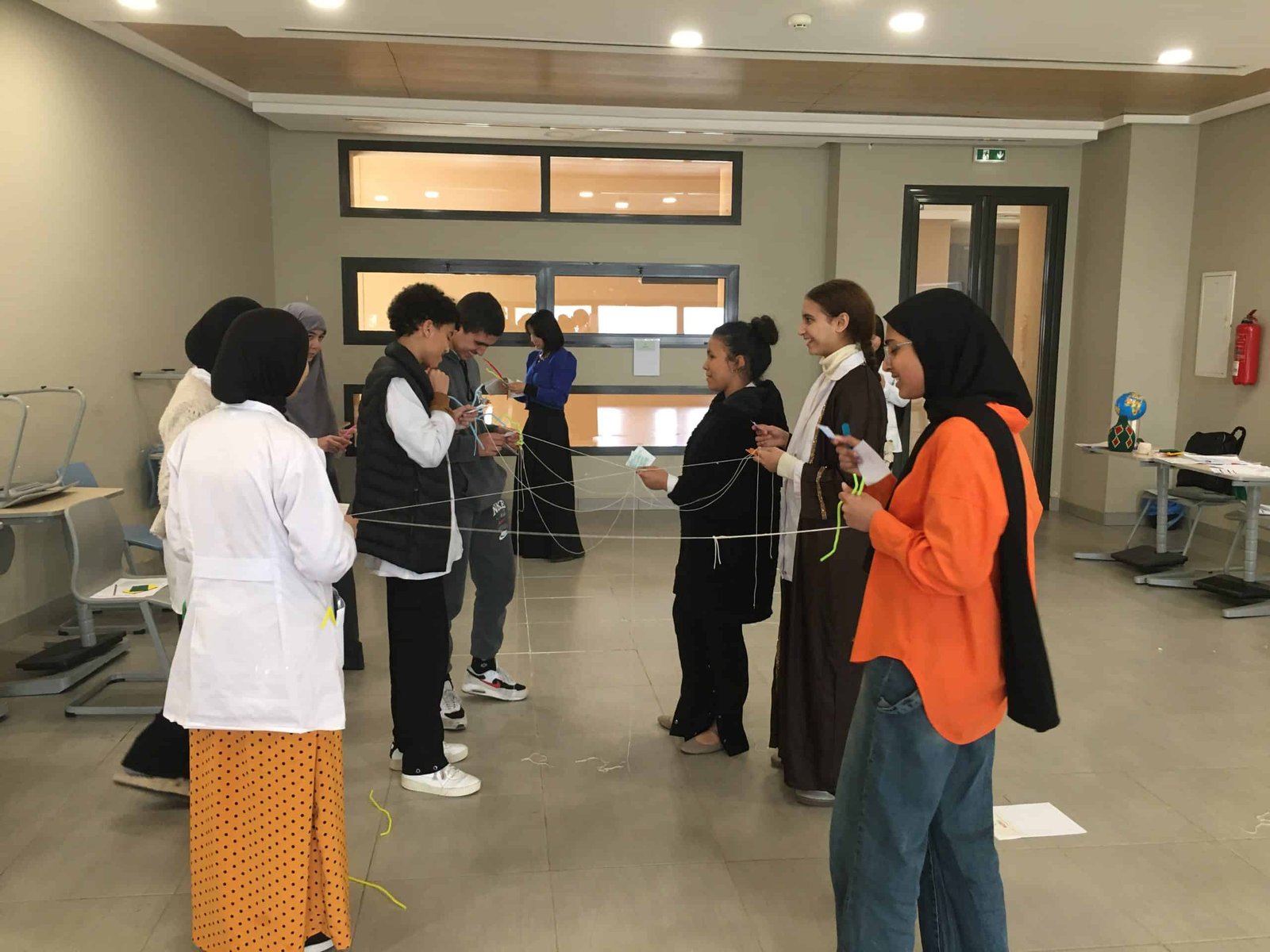
GROUNDING AND EMBODIED ACTIVITIES
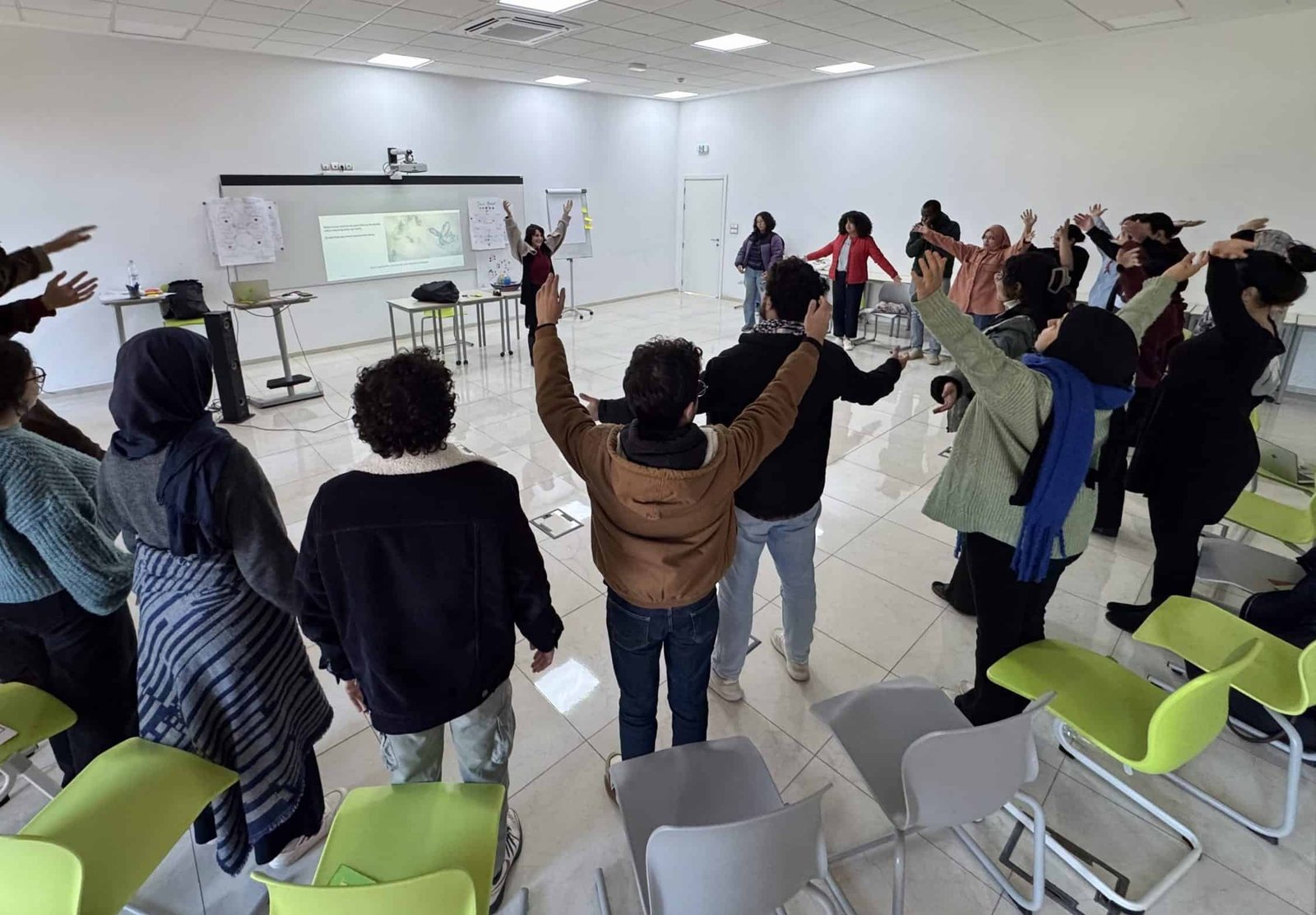
At the heart of TEP’s ethical and compassionate work are collective embodied practices to foster presence, mutual attunement, self-care, and collective responsibility.
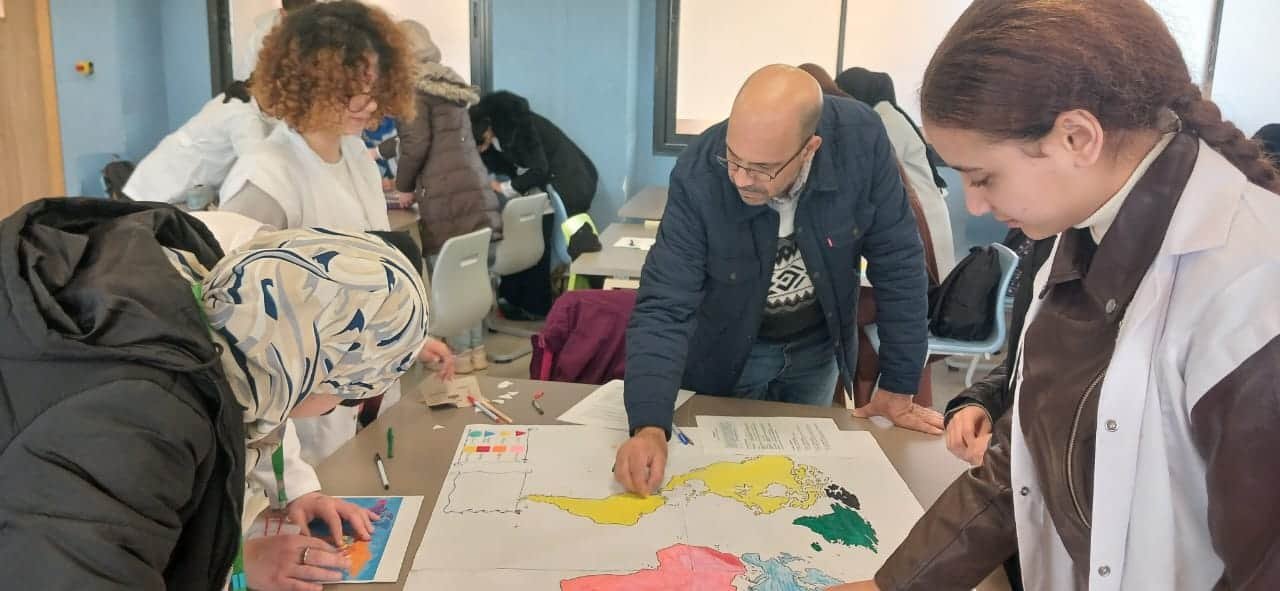
COLLECTIVE MAPPING: MAKING INTERCONNECTEDNESS VISIBLE
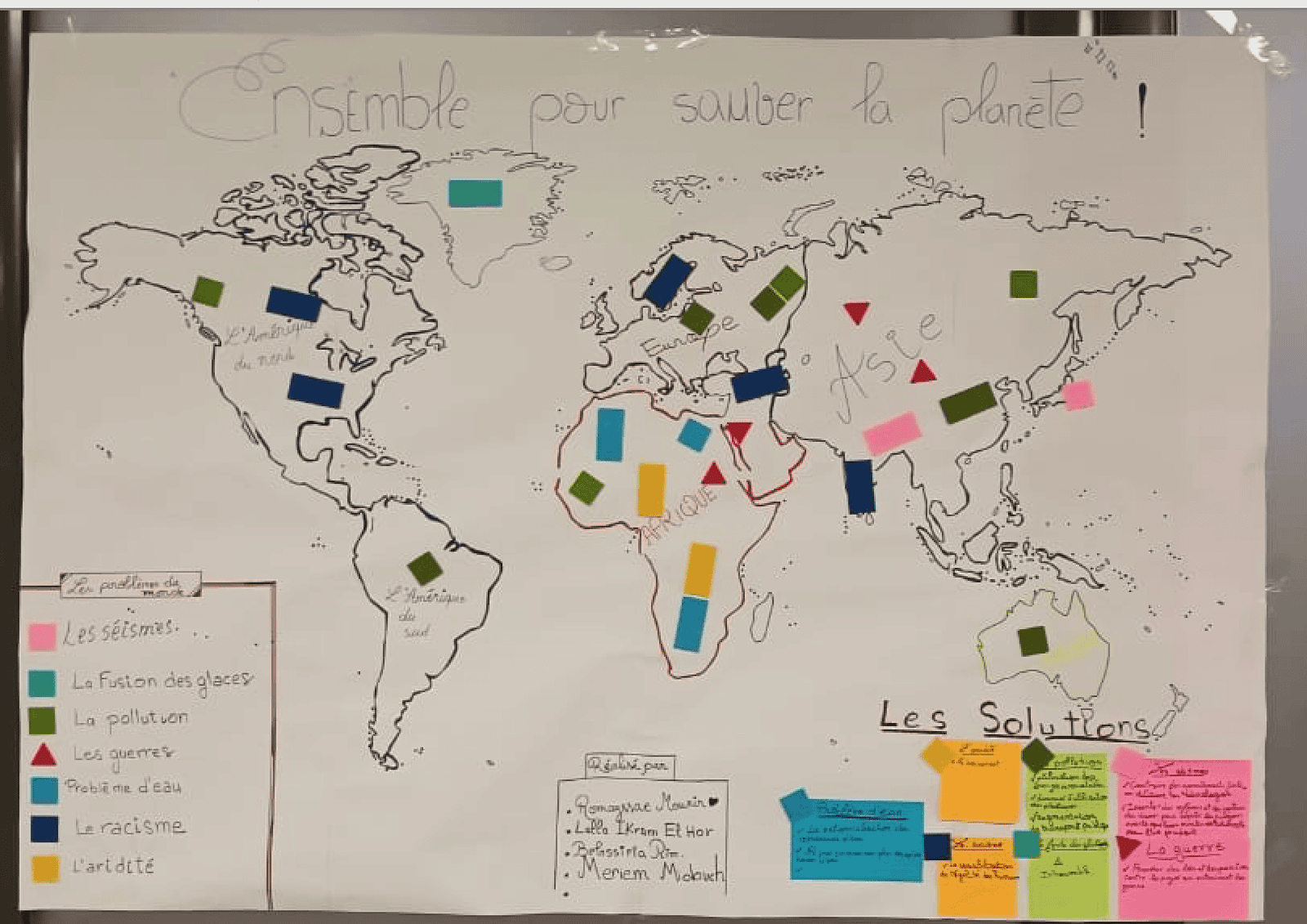
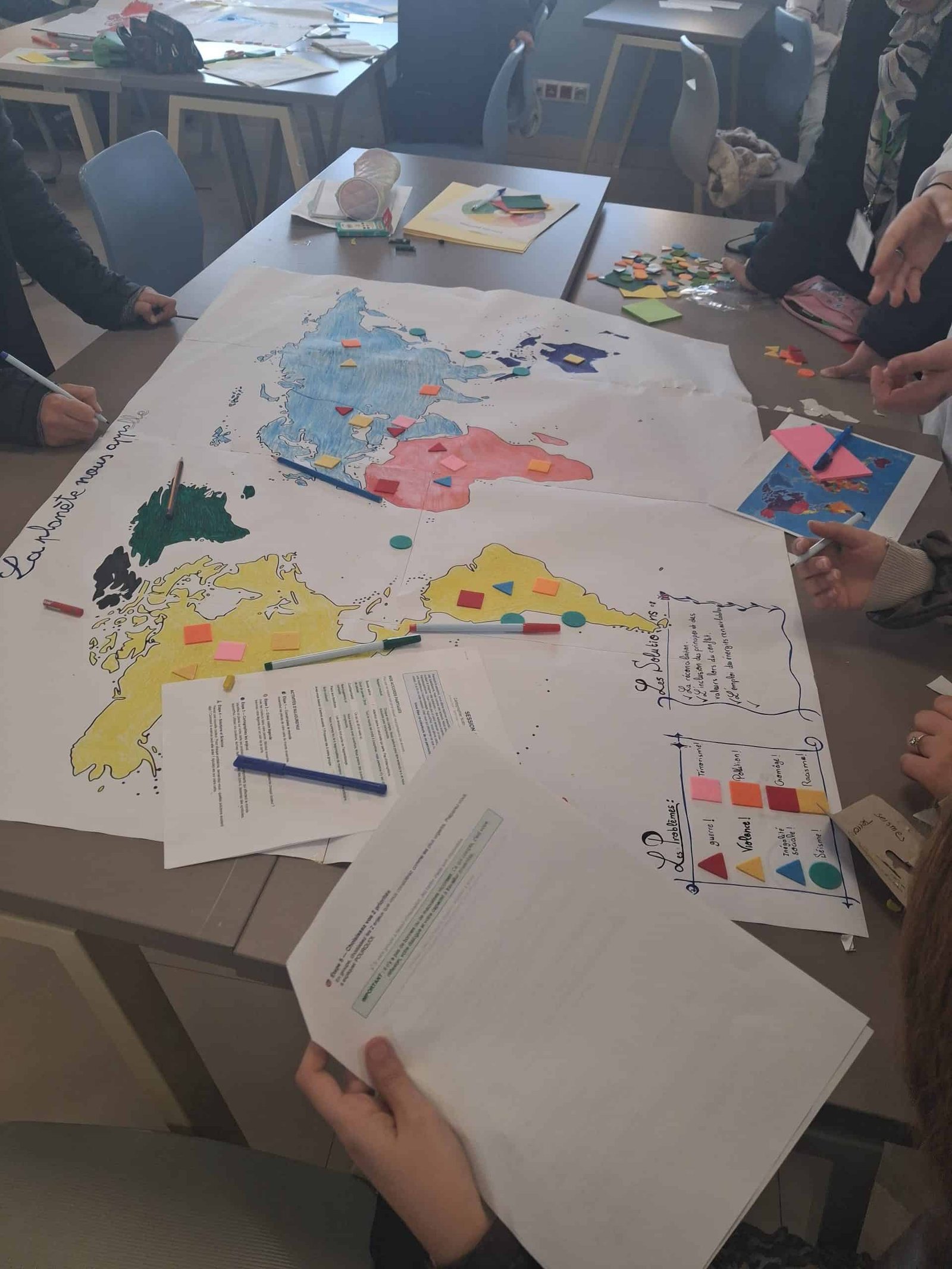
Collective mapping in TEP functions as a pre-dialogical practice through which interconnectedness can emerge before formal dialogue takes place. By externalizing emotions, sensitive topics, and social contexts into shared visual spaces, mapping helps learners perceive relational, individual, and socio-political dimensions without requiring immediate interpretation or consensus.
PEDAGOGY OF HOPE: REIMAGINING ALTERNATIVE FUTURES
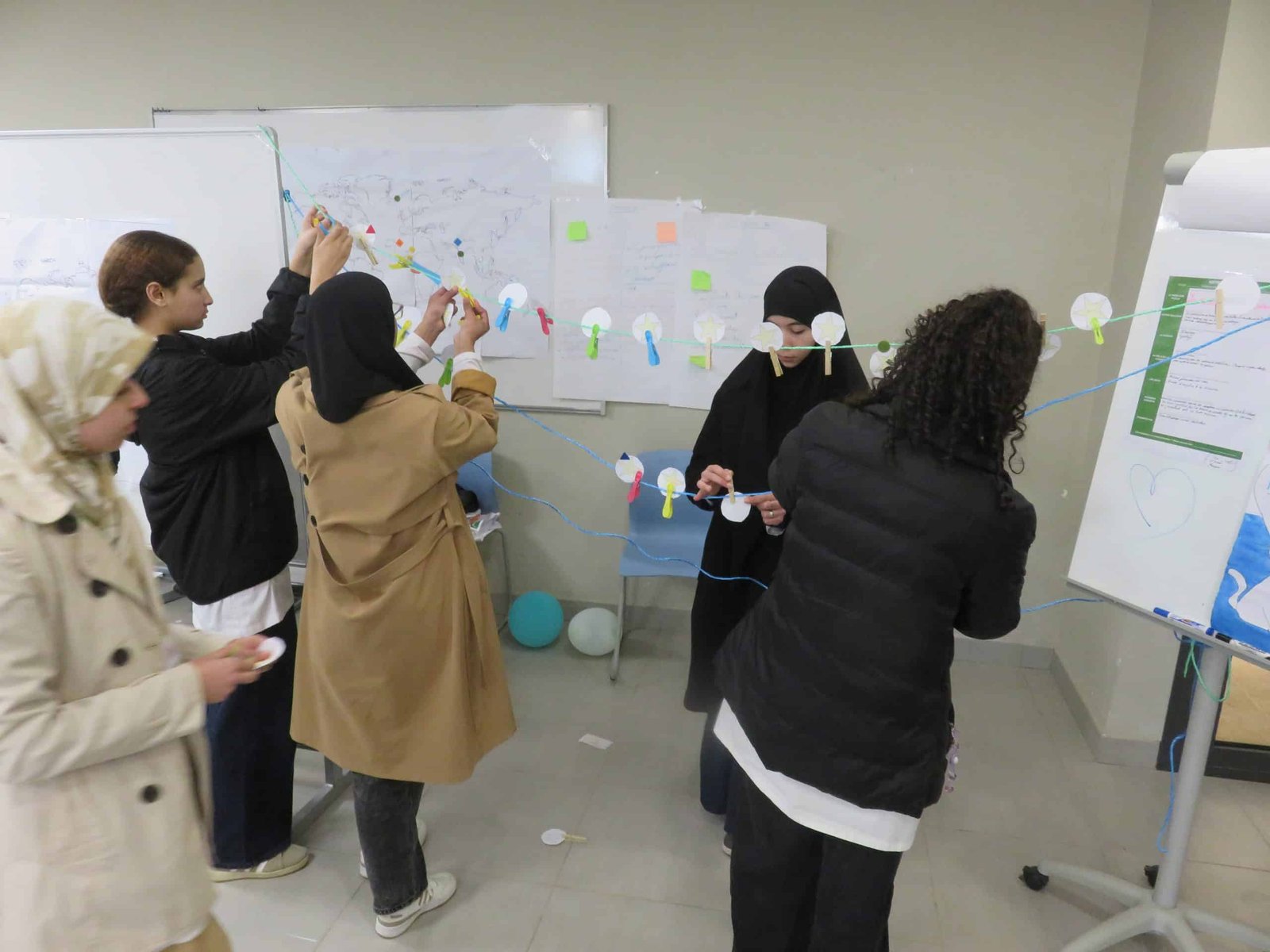
Following deep engagement with sensitive and critical issues, TEP intentionally shifts toward a pedagogy of hope. This phase invites learners to collectively reimagine alternative futures, articulate shared values, and explore possibilities for justice, care, and coexistence beyond existing constraints.
Build the Future of Education with Us
TEP is an evolving methodology. We collaborate with those ready to push boundaries and co-create what education can become.